Environmental Analyst
Rewritten Course Document (Meaning Preserved, Language Changed)
Course Overview
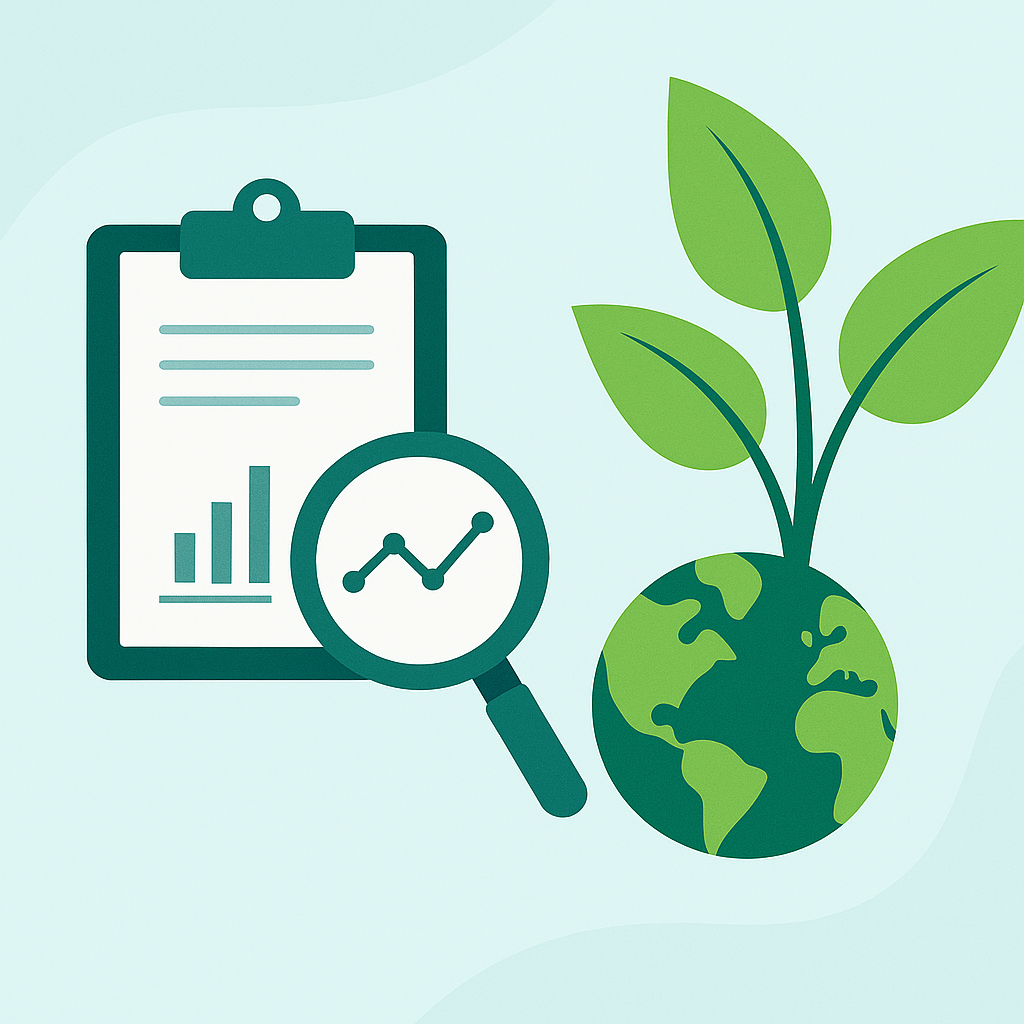
This course provides a comprehensive introduction to environmental analysis, focusing on how environmental data is collected, interpreted, and used to protect ecosystems and public health. Learners explore pollution monitoring, sustainability principles, environmental legislation, and the tools analysts use to assess environmental risks. The programme is suitable for beginners, professionals entering environmental roles, or anyone interested in environmental protection. Training is fully online and self‑paced.
Who This Course Is For
- Individuals preparing for careers in environmental consulting or analysis.
- Professionals working in sustainability, compliance, waste management, or environmental services.
- Students and researchers seeking foundational knowledge in environmental science.
- Anyone interested in environmental protection, monitoring, and ecological health.
What You Will Learn
Module 1 – Introduction to Environmental Analysis
Explains the role of an environmental analyst, the importance of environmental monitoring, and key responsibilities in the field.
Module 2 – Environmental Science Foundations
Covers ecosystems, biodiversity, climate factors, natural resources, and how environmental conditions are scientifically evaluated.
Module 3 – Pollution Types & Sources
Discusses air, water, soil, and noise pollution, including major human and natural contributors and their environmental impact.
Module 4 – Data Collection & Monitoring Techniques
Explores sampling methods, field equipment, laboratory testing, remote sensing, and accurate data interpretation.
Module 5 – Environmental Legislation & Compliance
Covers key laws, regulatory standards, environmental policies, reporting duties, and how organisations stay compliant.
Module 6 – Environmental Impact Assessment (EIA)
Teaches impact evaluation, risk identification, mitigation planning, and how EIAs support sustainable development.
Module 7 – Waste Management & Resource Efficiency
Explains waste categories, recycling practices, sustainable resource use, and reducing environmental footprints.
Module 8 – Climate Change & Sustainability
Explores climate trends, carbon management, renewable energy, and sustainable planning approaches.
Module 9 – Reporting & Professional Practice
Covers technical reporting, presenting findings, professional ethics, and communicating insights to stakeholders.
Assessment & Certification
Learners complete an online assessment at the end of the course. Results are given instantly. If not passed initially, the test may be retaken without additional cost. Successful learners receive an accredited digital certificate, with the option to request a printed version.
Key Benefits
- Builds strong foundational knowledge for environmental analysis roles.
- Enhances understanding of pollution, sustainability, and environmental protection.
- Develops practical skills in monitoring, reporting, and compliance.
- Flexible online study with recognised certification.
No reviews yet. Be the first to review this course!
£120.00


Easy to follow and relevant information. Option to re-do quizzes was great too.
4 months agoGot way more than I expected with this course. Extremely detailed. You're able to engage in the modules as much or as little as your time availability. I highly recommend.
4 months agoThe course was very in-depth, informative and covered quite a wide variety of subjects.
4 months ago